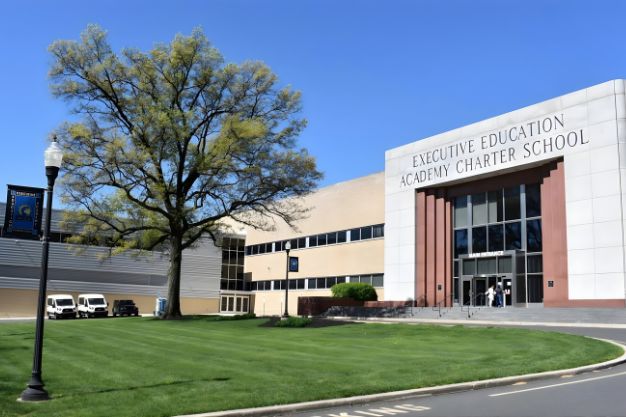
Memphis Street Academy Charter School

Memphis Street Academy, part of American Paradigm Schools, faced significant challenges in student attendance, high suspension rates, stagnant academic growth, and behavioral disruptions. These issues undermined academic success and created an environment of disengagement and inconsistency. To address these systemic challenges, the school partnered with Grid International, an organization specializing in organizational culture transformation. Grid implemented a comprehensive improvement initiative that focused on fostering a positive school culture, enhancing student engagement, and improving academic performance. The results were transformative: attendance increased from 84% to 91%, suspension rates decreased by nearly 79%, and academic achievement improved, with Memphis Street Academy being recognized as one of the region’s most improved schools. This case highlights the powerful role of a positive school culture in driving academic success and overcoming barriers to student achievement.

Read More

Are You Really Listening ?

Effective listening requires slowing down, suspending judgment, and giving full attention. By empathizing with others’ perspectives, even when disagreeing, leaders foster open, respectful communication. Key steps include monitoring emotions, asking open-ended questions, encouraging discussion, and clarifying understanding to ensure productive, candid conversations.

Read More

How Transparent is Your Relationship Culture?

Relationships, like cultures, evolve over time and thrive on trust, honesty, and candor. Strong relationships foster an environment of openness, where individuals can be themselves without fear of judgment. Proactively shaping these relationships with transparency accelerates growth and strengthens connections, benefiting both personal and professional interactions.

Read More

The art of Self-Deception

Self-deception occurs when intentions don’t align with actions, often leading to misunderstandings and negative emotions. Overcoming it requires candid feedback, trust, and self-awareness. By comparing behaviors to ideals and engaging in honest critiques, individuals can bridge the gap between their intentions and actions, improving relationships and outcomes.

Read More

A Strategy for Changing Norms

Changing norms requires highlighting them, encouraging exploration of better alternatives, and aligning efforts with organizational goals. By understanding group dynamics, leaders can foster culture change, manage resistance, and ensure support. Success lies in questioning norms, as seen in the airline industry, where swift, effective change redefined team culture.

Read More

Self-Convincing Learning

Traditional teacher-centered models often induce passivity and resentment, hindering effective learning. Shifting responsibility to students, using peer-based approaches and synergogic learning designs, can foster active involvement and better outcomes. This model promotes collaboration, autonomy, and real-world application, helping learners develop knowledge, skills, and attitudes more effectively.

Read More

What is Culture?

Culture is the collective attitudes, values, and traditions that shape behavior within relationships. It influences communication, decision-making, innovation, and conflict resolution, and drives performance. When rooted in trust, it fosters synergy and success. However, hidden cultural forces can impact actions, often unconsciously, unless actively managed and understood.

Read More

Maximizing Critique

Effective critique boosts efficiency by fostering trust and awareness within teams. It helps define objectives, resolve doubts, and eliminate potential issues before they arise. By encouraging responsibility and learning from experience, critique enhances commitment, ownership, and problem-solving, leading to continuous improvement and successful outcomes.

Read More

Surviving Crises Through Participative Management

Participative, team-oriented management enhances organizational productivity, creativity, and efficiency, especially in crisis situations. By involving teams in decision-making, leaders foster shared understanding, improved conflict resolution, and better outcomes. The airline industry’s cockpit crisis management demonstrates how participative leadership can resolve even the most high-stakes situations effectively.

Read More

The Real Value of Grid ?

Grid empowers individuals, teams, and organizations to confront and resolve behavioral challenges with candor, trust, and mutual respect. By fostering participative management and structured communication, it transforms conflict into collaboration, driving meaningful change, productivity, and resilience, even in crises. Embrace The Grid for enduring teamwork and leadership success.

Read More